
Exams
Trabecular bone score (TBS) measures the quality of the internal support structure of the lumbar spine.
We have state of the art equipment to conduct bone density scans in Santa Monica and Beverly Hills. This equipment will measure your trabecular bone score, or TBS, which enhances the overall measurement of your bone density.
A bone density examination is the easiest and simplest way to assess for the presence of osteoporosis. The examination typically lasts about 10 minutes, and there is no associated discomfort.
Osteoporosis is a condition that results from low levels of calcium in the bones (low bone density). The bones are consequently more fragile and fracture more easily and frequently than normal bones. Typically, the spine and hips are evaluated but, on occasion the forearms might be as well.
The process is quick and painless and can be done with the patient fully-clothed during the examination.
Please visit our Patient Center to download and fill out the bone density/osteoporosis history sheet ahead of your appointment with us.

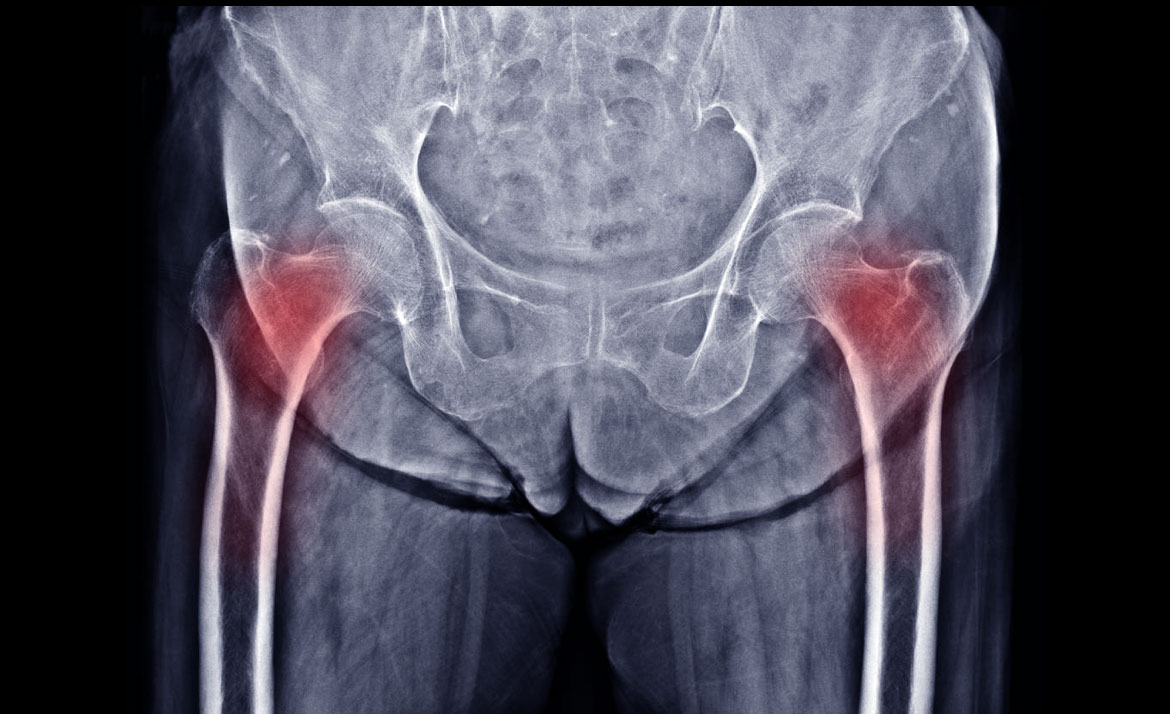
Why Might I Need a Bone Density Scan?
- If you have lost height.
- If you are taking certain drugs.
- If you have fractured a bone.
- If you are suspected of having hormonal abnormalities.
- If you have recently received an organ transplant.
Bone Density Scan: Frequently Asked Questions
At LSG Imaging, we offer bone density scans at our Beverly Hills and Santa Monica locations. If you are considering this exam or have questions about the process, the answers below can help you understand what to expect.
What is a bone density scan?
A bone density scan, also called a DEXA scan or dual-energy X-ray absorptiometry, is a quick, non-invasive imaging exam that measures the calcium mineral content of your bones, most commonly the lumbar spine and hips. At LSG Imaging, our equipment also measures the trabecular bone score (TBS), which evaluates the internal structural quality of the lumbar spine for a more complete picture of bone health. The exam is used to diagnose osteoporosis, assess fracture risk, and monitor changes in bone density over time.
Why might I need a bone density scan?
Bone density testing is most commonly ordered to assess for osteoporosis or to evaluate fracture risk before a fracture occurs. Your physician may recommend a scan if you are a postmenopausal woman, have lost height over time, have fractured a bone from a minor injury, are taking medications that can affect bone density (such as long-term corticosteroids), have hormonal abnormalities, or have recently undergone an organ transplant, diseases that are known to be associated with osteoporosis, or chemotherapy. Early identification of low bone density allows for treatment before a fracture occurs.
How long does a bone density scan take?
The exam itself takes approximately 10 minutes. Including check-in and preparation, most patients are in and out of our Beverly Hills or Santa Monica location in a short visit and can return to normal activities immediately.
Is a bone density scan painful?
No. The exam is entirely painless. You remain fully clothed throughout the procedure, and there are no injections, needles, or physical discomfort involved. The scanner passes over your body without touching you.
How should I prepare for a bone density scan?
Preparation is minimal. Wear comfortable clothing without metal fasteners, zippers, or underwire if possible, since metal objects can interfere with the scan. You do not need to fast or modify your diet. We ask that you download and complete our bone density and osteoporosis history sheet from the Patient Center before your appointment.
Who should get regular bone density testing?
Bone density testing is recommended for all women aged 65 and older, and for postmenopausal women under 65 who have one or more risk factors, such as a family history of osteoporosis, low body weight, smoking history, or long-term use of medications that reduce bone mass. Men aged 70 and older, or younger men with risk factors such as low testosterone, corticosteroid use, or family history may also be candidates. If you have experienced a fracture from a fall or minor impact, your physician may recommend a scan regardless of age.
What happens during the scan?
You will lie on a padded table while a low-dose X-ray arm passes slowly over your body. The scanner captures images of the lumbar spine, hips, and, when clinically indicated, the forearm. No contrast dye or injections are used. You remain fully clothed, and there is no enclosed space or confined equipment involved. Our technologists will position you and guide you through each step. The process is straightforward and comfortable.
When will I receive my results?
Results are interpreted by our board-certified radiologists and provided to your referring physician. If you have questions about your results or next steps, your physician will review the findings with you and discuss any follow-up recommendations, which may include lifestyle modifications, calcium and vitamin D supplementation, or prescription medications to strengthen bone.
Can a bone density scan detect osteoporosis early?
Yes, and early detection is the primary clinical value of the exam. Osteoporosis typically develops without any symptoms until a fracture occurs. A bone density scan can identify low bone mass, called osteopenia, before it progresses to osteoporosis, giving you and your physician the opportunity to intervene with preventive measures. The addition of the trabecular bone score (TBS) at LSG Imaging provides further insight into bone quality beyond what standard bone density measurement alone captures.
How often should I have a bone density scan?
Testing frequency depends on your baseline results, age, and risk profile. For patients with normal bone density and no significant risk factors, rescreening every two years is commonly recommended. Patients with osteopenia or other risk factors may require more frequent monitoring. If you are undergoing treatment for osteoporosis, your physician will likely recommend periodic scans to assess whether bone density is responding to therapy. Your physician will determine the appropriate schedule based on your individual situation.





