
Heart disease is the leading cause of death worldwide, yet it often develops silently for decades. Calcium can accumulate in the coronary arteries without causing symptoms, gradually narrowing the vessels that supply your heart. This buildup can increase the risk of serious cardiac events, including heart attacks or sudden cardiac complications, even in adults who feel perfectly healthy.
A CT calcium score is a non-invasive scan that provides a precise measurement of calcium in the coronary arteries. By quantifying plaque buildup, this test offers physicians critical insight into your cardiovascular risk, enabling personalized prevention strategies. For adults, CT calcium scoring in Beverly Hills & Santa Monica provides a way to understand your heart health risk, take informed steps to reduce risk, and plan for a healthier future.
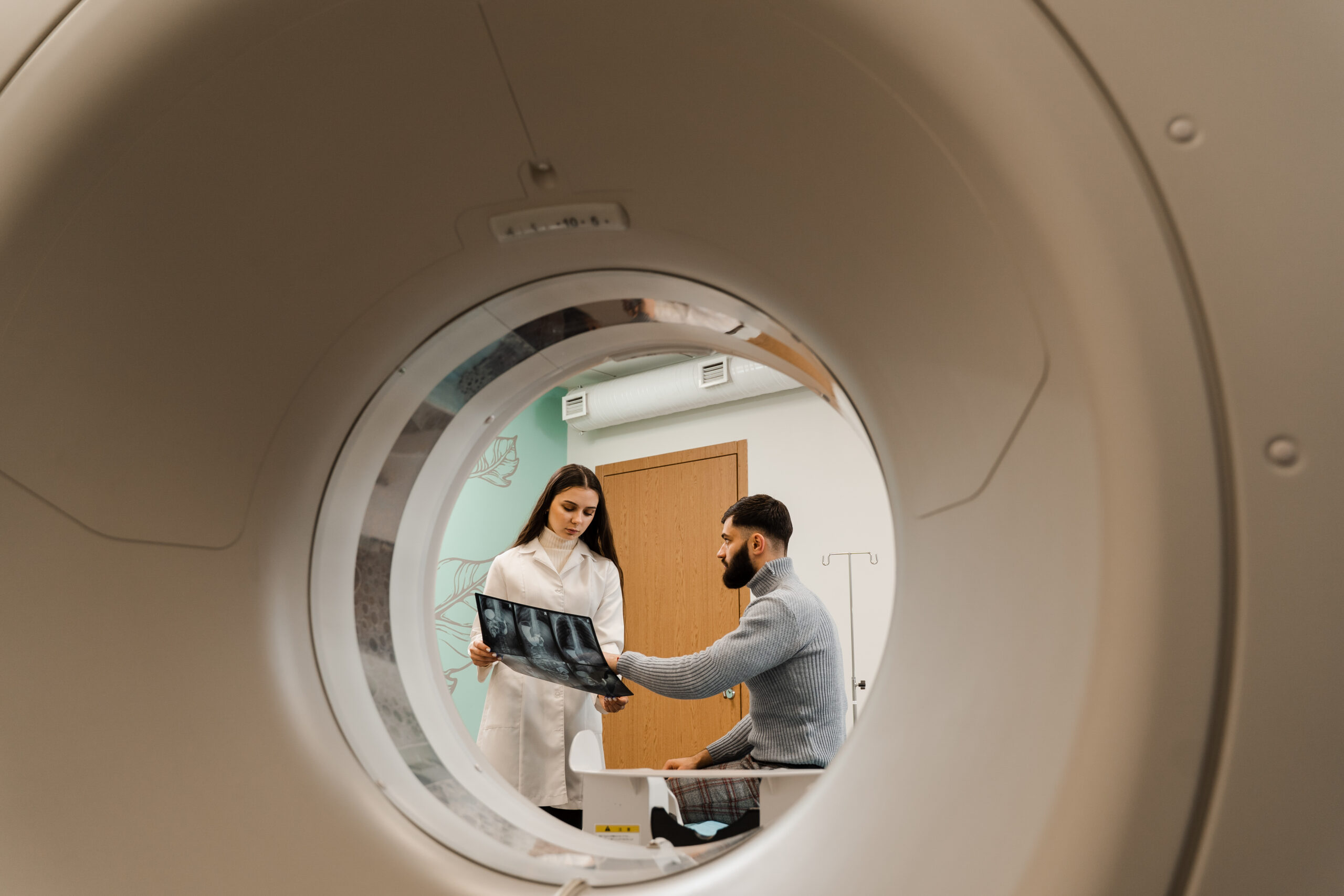

Why Heart Screening Matters Before Symptoms Appear
Coronary calcium is one of the earliest detectable signs of atherosclerosis, the underlying process that can lead to heart disease. Research indicates that over one-third of adults aged 30–49 have measurable coronary calcium, and a significant portion of these individuals may have scores associated with increased risk of heart attack or other cardiac events.
Because heart disease often progresses silently, calcium buildup can continue for years before symptoms occur. A CT calcium score allows physicians to:
- Assess cardiovascular risk with precision
- Recommend targeted lifestyle modifications, such as diet, exercise, or smoking cessation
- Prescribe medications to manage cholesterol, blood pressure, or other contributing factors
- Monitor changes over time to evaluate the effectiveness of preventive measures
Early detection through CT calcium scoring in Beverly Hills & Santa Monica is a meaningful way to safeguard your heart health, providing actionable insights that help prevent serious complications before they arise.
Is a CT Calcium Score Right for You?
CT calcium scoring is intended for adults at elevated risk of heart disease. Screening may be appropriate if you:
- Are 40 years or older
- Have a family history of early heart disease
- Have high blood pressure, high cholesterol, or diabetes
- Smoke or have a history of smoking
- Are seeking a preventive approach to cardiovascular wellness
Even individuals without symptoms may benefit, as early detection identifies risks that traditional exams might not reveal. Your physician in Beverly Hills & Santa Monica will review your health history, risk factors, and lifestyle to determine if this screening is appropriate.
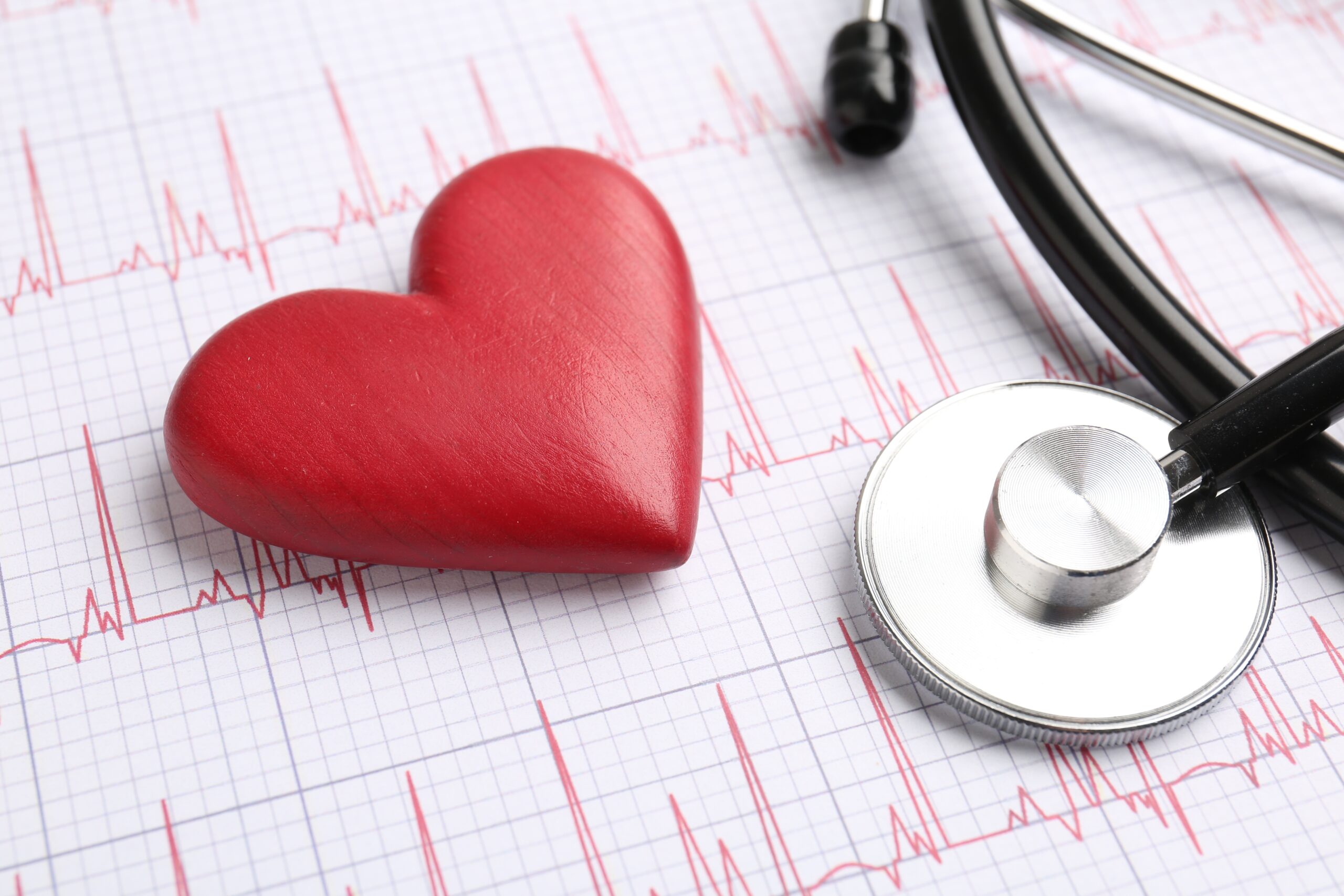
Step-by-Step: What to Expect During Your CT Heart Scan
CT calcium scoring combines advanced imaging to capture precise images of your coronary arteries. The process is safe, painless, and typically completed in under 30 minutes.
Step 1: Arrival & Check-In
At our Beverly Hills or Santa Monica location, our staff will review your medical history, current medications, allergies, and pregnancy status if applicable.
Step 2: Patient Preparation
To ensure accurate results, patients should avoid food, caffeine, and tobacco for at least four hours before the scan. There is no fasting beyond this, and you can resume normal activity immediately afterward.
Step 3: Gown & Metal Removal
Jewelry, glasses, and metallic items are removed, and you may change into a hospital gown for comfort.
Step 4: EKG Electrode Placement
Small areas on your chest may be cleaned or lightly shaved. Sticky electrodes are applied to monitor your heart rhythm via EKG, which allows the scan to capture gated images precisely timed with your heartbeat. This step is quick and painless.
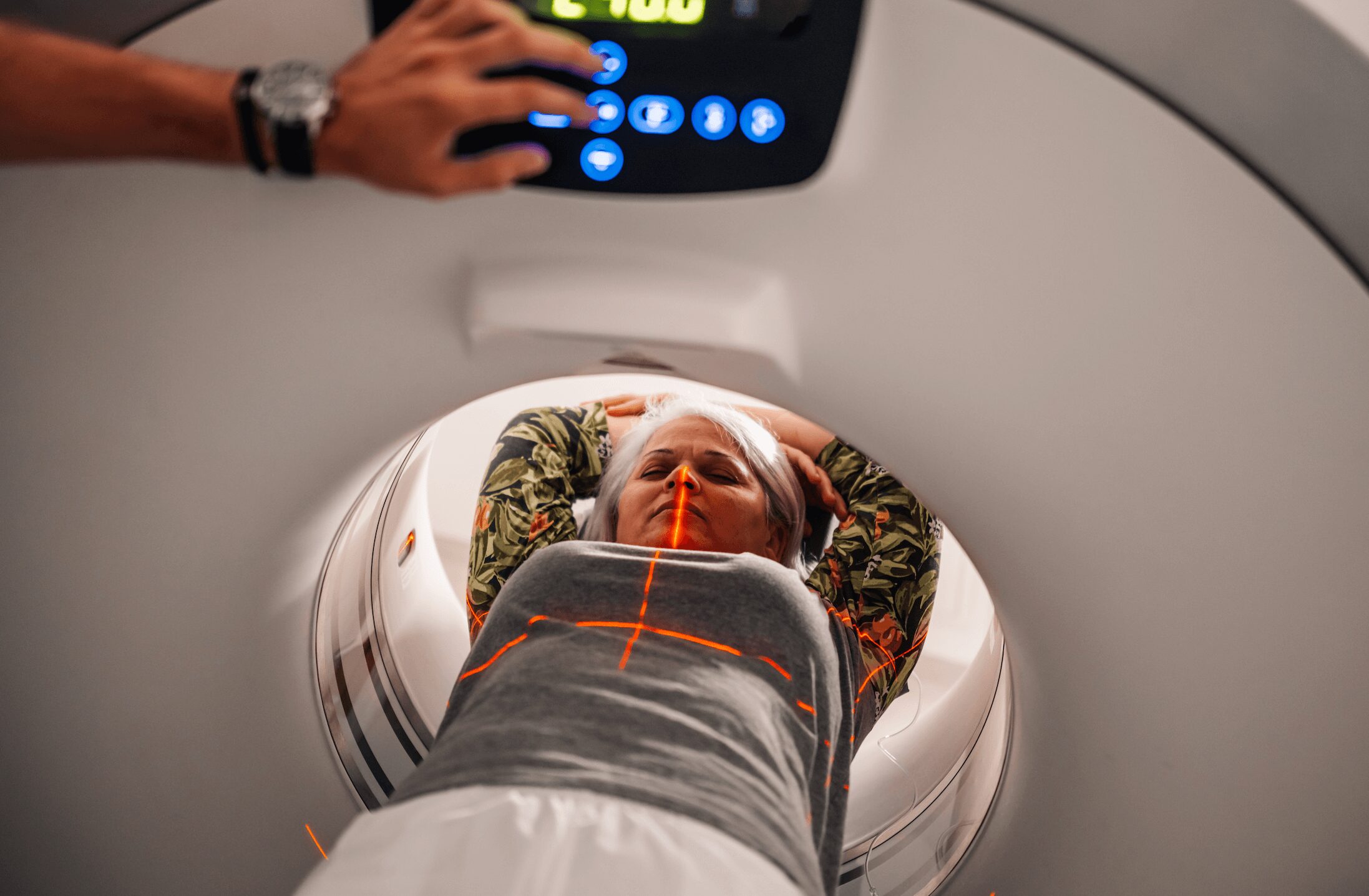
Step 5: Performing the CT Heart Scan
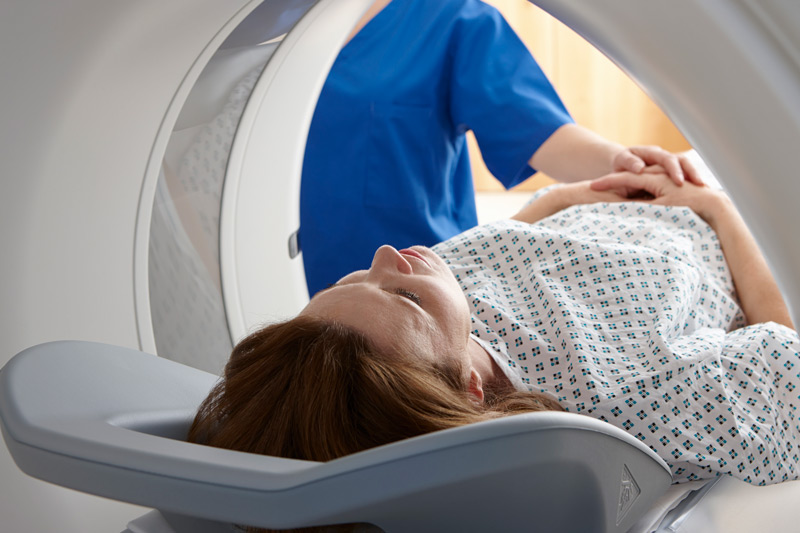
You will lie on a specialized table that slides into the CT scanner. The machine captures high-resolution images of your coronary arteries in seconds. No needles, no injections, and no downtime required.
Step 6: Radiologist Analysis & Interpretation
We’ll analyze the images, calculating your calcium score and providing a detailed assessment of potential cardiovascular risk.
Step 7: Same-Day Results & Physician Follow-Up
Your radiologist will provide you with a comprehensive report for your referring physician, who may recommend lifestyle changes, medications, or further testing if needed.
How CT Calcium Scoring Supports Your Heart Health
CT calcium scoring offers significant benefits for patients seeking to understand and protect their cardiovascular health:
- Early identification of risk: Detects calcium buildup before symptoms appear
- Precise, quantitative measurement: Provides a numerical score to guide clinical decisions
- Personalized prevention: Supports tailored lifestyle or medication strategies
- Baseline for monitoring: Allows future comparison to track changes in coronary calcium
- Confidence in care: Offers clear, practical information to reduce uncertainty
By understanding your calcium score, you and your physician can make informed decisions to reduce your risk of heart disease and improve long-term outcomes.
Frequently Asked Questions About CT Calcium Scoring
How to Prepare for Your CT Calcium Score Scan
Proper preparation ensures accurate results and a smooth experience during CT calcium scoring in Beverly Hills & Santa Monica. Follow these steps:
- Avoid food, caffeine, and tobacco for four hours before the scan.
- Remove all jewelry, glasses, and metal objects.
- Inform staff about medications, allergies, or pregnancy.
- Wear comfortable clothes.
- Follow any additional instructions provided by your physician.
The procedure is simple and convenient and does not involve the use of any contrast dye or injections.

Safety, Risks & Test Limitations
Radiation Exposure
Minimal, equivalent to a few months of natural background radiation
Incidental Non-Cardiac Findings
Occasionally, unrelated conditions may be detected, requiring follow-up
Scope & Detection Capabilities
Measures calcium only; does not detect soft plaque or all forms of heart disease
Test Limitations & Soft Plaque
Provides one component of a complete cardiovascular risk assessment
Your physician will review these considerations to determine whether CT calcium scoring is appropriate for your individual needs.
Interpreting Your CT Calcium Score Results
The calcium score is typically classified as follows:
- 0: No detectable calcium – very low risk of coronary artery disease
- 1–99: Mild calcium – low to moderate risk, suggesting early plaque development
- 100–399: Moderate calcium – increased risk, may require treatment or preventive strategies
- 400+: Extensive calcium – high risk, often requiring close monitoring and aggressive management
Your healthcare provider will consider your score along with other factors, such as age, cholesterol levels, blood pressure, and lifestyle, to create a comprehensive heart health plan.
Insurance, Coverage & Superbill Information
At LSG Imaging, we aim to make CT calcium scoring accessible and straightforward for our patients. We accept Medicare for eligible individuals and work closely with patients using private insurance to clarify coverage details.
For privately insured patients, we provide a superbill that can be submitted for potential reimbursement. We encourage patients to contact us ahead of their appointment if they have any insurance or billing concerns.

Schedule Your CT Calcium Score in Beverly Hills or Santa Monica
Early detection of calcium buildup can significantly impact long-term heart health. Call either location directly to schedule your CT Calcium Score test scan and speak with our scheduling team.
Our staff can answer questions, help coordinate insurance and referrals, and guide you through the preparation process. Take a proactive step today to understand your cardiovascular risk and protect your heart for the future.





