
Don’t Wait: Why Colon Cancer Screening at 45 Matters More Than Ever
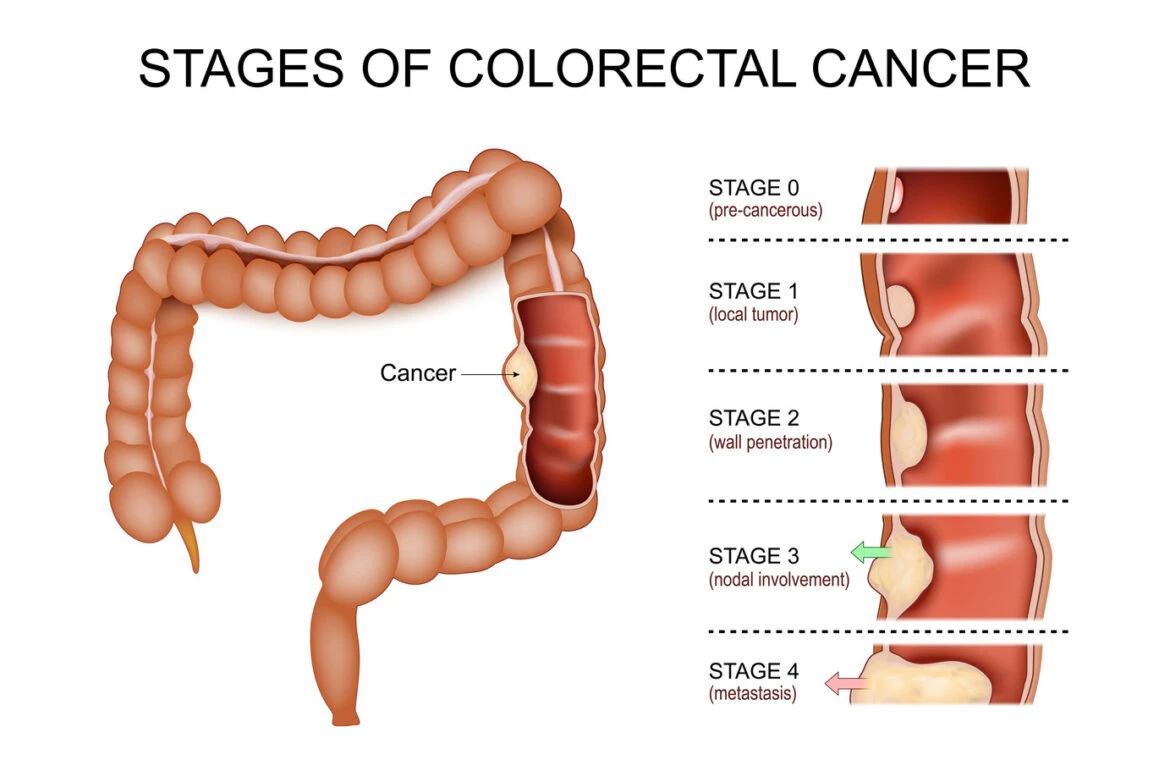
Guidelines from the American Cancer Society now recommend colorectal cancer screening starting at age 45. Because the screening age was 50 until 2018, most people are not aware that it has been lowered to 45. Without any family history, no polyps, and no symptoms, you are at average risk and may think that a screening is not necessary. However, rising incidence rates and the absence of symptoms make the delay not worth the risk. So, if you are between 45 and 55 and have not yet scheduled your first screening, do so now. In fact, if you have elevated risk factors, you can book a screening even before you turn 45. A virtual colonoscopy in Beverly Hills or Santa Monica is a 10-15-minute, non-invasive procedure that does not require anesthesia. You can get back to your normal routine in less than an hour.
Why Does Colorectal Cancer Go Unnoticed?
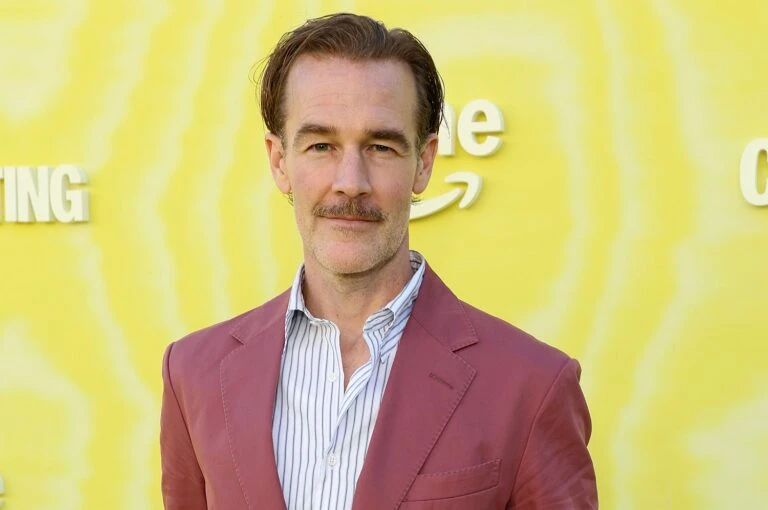
Here’s a case that changed the conversation about colon cancer screening. In 2023, actor James Van Der Beek announced that he had been diagnosed with colorectal cancer. He was 46. He was fit. He had no family history. His only symptom was a subtle change in his bowel habits, something he had attributed to coffee. By the time he sought care, he was already at stage 3. On February 11, 2026, Van Der Beek passed away at age 48.
What makes his story so important for adults in their mid-40s is something he shared publicly near the end of his life. He did not know that the recommended screening age had dropped from 50 to 45. He thought he still had years before screening was relevant to him. In his own words: “If you are 45 or older or have a family history, talk to your doctor about your screening options. You don’t need symptoms to get screened.”
If you also assumed the threshold was still 50, you are not alone, and that is exactly the problem. A virtual colonoscopy in Beverly Hills is fast, easy, and potentially lifesaving.
What Should You Know about Colorectal Screening Guidelines?
The American Cancer Society lowered the recommended colorectal cancer screening age from 50 to 45 in 2018. The U.S. Preventive Services Task Force followed in 2021. These guidelines apply to average-risk adults: anyone aged 45 or older with no family history of colorectal cancer, no prior polyps, and no active symptoms. Patients with elevated risk factors may need to start even earlier.
Despite years of updated guidance, a significant awareness gap remains. Approximately 2 in 3 adults aged 45 to 49 had never been screened as of 2022, according to CDC behavioral risk data. The national colorectal cancer screening rate stands at approximately 64%, well below the 80% public health target.
Why Is Early-Onset Colorectal Cancer Rising?
Among adults younger than 50, colorectal cancer incidence increased by 3% per year from 2013 to 2022 (American Cancer Society, Cancer Facts & Figures 2026). Death rates in adults under 55 have risen approximately 1% per year since the mid-2000s (Cancer Therapy Advisor). Colorectal cancer is now the leading cause of cancer death in U.S. adults under 50 (CA: A Cancer Journal for Clinicians, 2026). While the reasons behind this rise are not fully understood, the trend is consistent across demographics.
Here’s the good news: the overall colorectal cancer death rate dropped dramatically over decades in older adults, directly because of screening. The current challenge is concentrated in the under-55 group, where routine screening was historically not recommended. The guideline change is a direct response to rising incidence rates that go undetected.
Why Consider Screening at 45 with a Virtual Colonoscopy?
Why Early Detection Matters
Colorectal cancer caught early is highly treatable, preventable, and survivable. The 5-year relative survival rate for localized (early-stage) colorectal cancer is 91% compared to just 15% for late-stage disease (CA: A Cancer Journal for Clinicians, 2026). The difference between those outcomes is almost always the timing of screening.
Most colorectal cancers begin as abnormal growths called polyps that form in the colon or rectum. Over time, some polyps may turn into cancer. Because approximately 90% of colorectal cancers develop this way, finding and removing polyps before they progress is the most powerful reason screening is so important.
How Virtual Colonoscopy Fits into Early Detection
For patients who are hesitant about sedation, recovery time, or the more invasive nature of a traditional colonoscopy, a virtual colonoscopy at our Beverly Hills or Santa Monica clinics provides a clear alternative that still delivers reliable, detailed imaging.
A virtual colonoscopy plays a critical role in early detection by identifying abnormalities before symptoms appear and helps guide timely follow-up care. The preparation for a virtual colonoscopy is very similar to a traditional colonoscopy, but the experience itself is far less invasive. That is why a virtual colonoscopy is widely used in diagnostic imaging as a validated screening method for average-risk adults.
What the Data Shows About Early Colorectal Cancer Screening
The statistics already point to positive signs that the revised guideline is working: local-stage colorectal cancer diagnoses in adults aged 45 to 49 rose sharply after the updated guidelines, with a 50% relative increase in detected early-stage cases from 2021 to 2022 alone. Screening in this age group increased 62% from 2019 to 2023 (ACS / JAMA, August 2025). Screening earlier finds cancer earlier. The numbers from the Colorectal Cancer (CRC) Data Dashboard confirm it.
What’s the Risk of Waiting If You Have No Symptoms
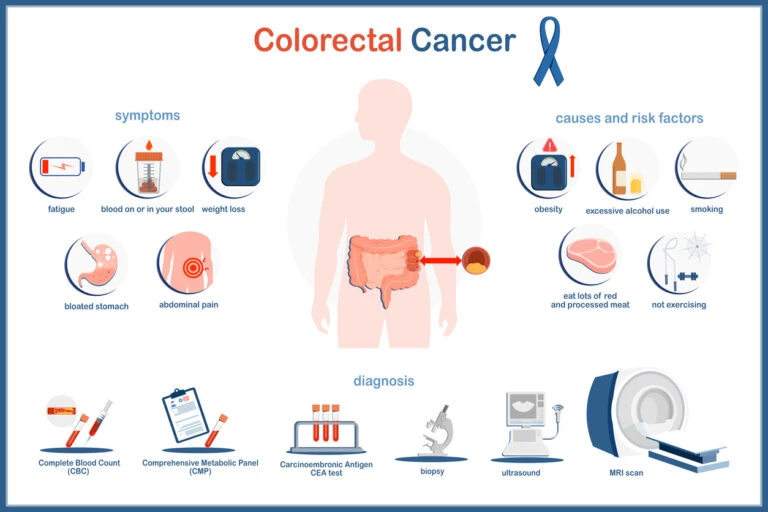
Early-stage colorectal cancer typically produces no symptoms. Waiting for a sign or a symptom is often associated with a later stage cancer being discovered. Even if you have some of the common signs or symptoms, such as fatigue, abdominal discomfort, changes in bowel movements, or bloody stool, it’s very possible that you may not notice them or ignore them entirely.
For many average-risk adults, virtual colonoscopy is the deciding factor that allows them to move forward with screening when they might otherwise delay or avoid a traditional colonoscopy.
Who Should Consider Virtual Colonoscopy at LSG Imaging?
For many average-risk adults, virtual colonoscopy is the most accessible and least disruptive way to complete screening. At LSG Imaging, we recommend it for patients who want to move forward without the barriers that keep many from scheduling a traditional colonoscopy. Patients seeking a virtual colonoscopy in Beverly Hills or Santa Monica choose our clinic for our convenience, accessibility, and same-day results.
We are a diagnostic imaging facility offering virtual colonoscopy in Beverly Hills and Santa Monica, serving patients who are ready to take charge of their colorectal health. If your results indicate that follow-up care is needed, we provide clear imaging findings that help guide your next conversation with the appropriate specialist.
You may be a strong candidate for a virtual colonoscopy with us if you:
- Are 45 or older and have not yet had your first colorectal screening
- Have postponed scheduling due to concerns about sedation or recovery time required after a traditional colonoscopy
- Cannot arrange a driver or take a half-day off work for a conventional procedure
- Had an incomplete traditional colonoscopy in the past
We perform each exam using single-use equipment, and our board-certified radiologists review your results the same day, often before you leave. Colon perforation during a virtual colonoscopy is exceedingly rare. You do not need a referral to schedule an appointment at any of our two locations in Beverly Hills or Santa Monica.
Frequently Asked Questions about Colorectal Cancer Screening
Why is colorectal cancer screening recommended at age 45?
Because incidence is rising in younger adults, and the evidence shows that screening in this age group detects cancer at an earlier, more treatable stage. The American Cancer Society updated this guideline in 2018; the U.S. Preventive Services Task Force followed in 2021.
What happens if I delay screening?
Early-stage colorectal cancer rarely produces symptoms. Delaying a screening gives slow-growing cancer more time to progress from a localized stage with a 91% survival rate to a distant-stage disease with a 15% survival rate. Early action is almost always the better outcome.
Do I need screening if I feel healthy and have no symptoms?
Yes. The absence of symptoms is not a reliable indicator of colorectal health. The actor, James Van Der Beek, felt healthy, was in excellent physical condition, and had no family history. Most early-stage cases present without any noticeable warning signs at all. Some common signs that are often ignored or go unnoticed include: changes in bowel habits, abdominal discomfort, fatigue, and blood in the stool.
Is a virtual colonoscopy painful or uncomfortable?
Our virtual colonoscopy procedure is non-invasive and requires no sedation. CO2 inflation minimizes post-procedure discomfort, and most patients return to their normal day immediately after the exam.
Can screening prevent colon cancer, not just detect it?
Yes. Most colorectal cancers begin as polyps that, over time, may turn into cancer. Finding and removing polyps before that happens is one of the primary reasons screening saves lives.
How do I schedule a virtual colonoscopy at LSG Imaging?
At LSG Imaging, we prioritize accessibility and convenience for every patient. You do not need a doctor’s referral to schedule with us. Call our offices at (310) 859-8104 (Beverly Hills) or (310) 394-2761 (Santa Monica), and our team will guide you through the next steps to help you get started.
What’s the First Step In Colorectal Cancer Screening?
If you are 45 or older and have been putting off screening, a virtual colonoscopy in Beverly Hills or Santa Monica offers a simple, less disruptive way to get started. Our team is here to answer your questions, explain what to expect, and help you feel confident about your next step. You do not need a physician’s referral to book with us.
Contact LSG Imaging to schedule your virtual colonoscopy at our Beverly Hills or Santa Monica location today.
Beverly Hills: 310-859-8104 | 9675 Brighton Way, Suite #240
Santa Monica: 310-394-2761 | 2730 Wilshire Blvd. Suite #110
